

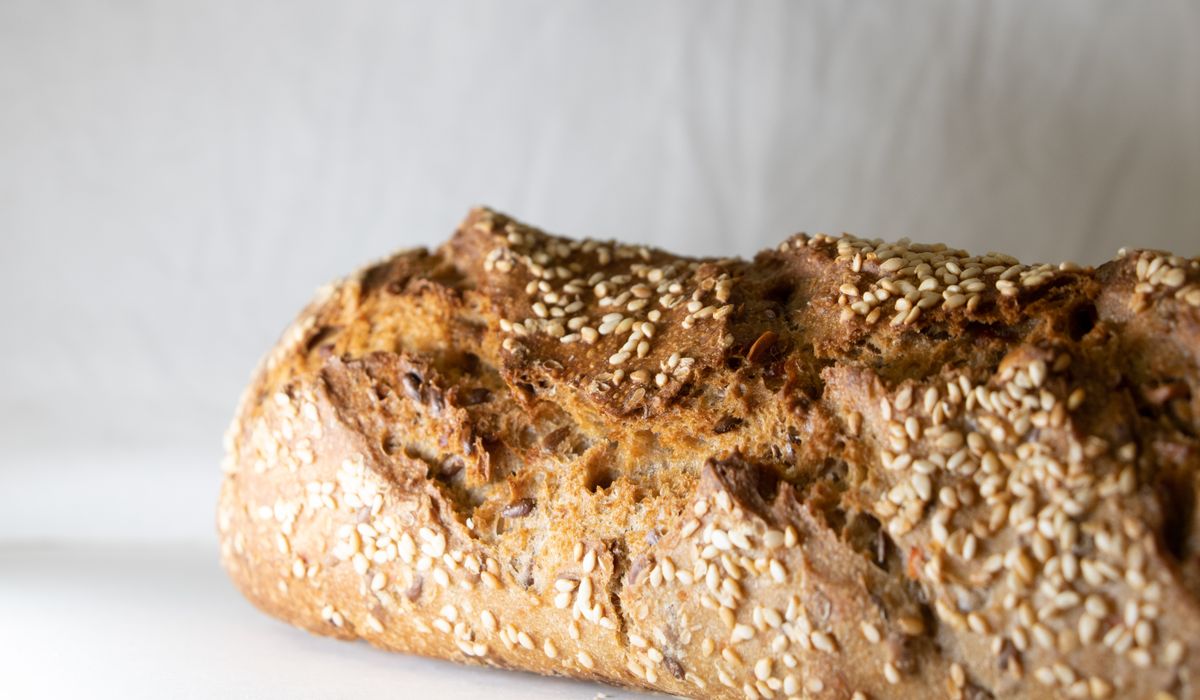
Why Fresh Flour Tastes So Different
A wheat berry is a small sealed pantry. The germ holds oils, enzymes and much of the aroma we call "wheaty". Crack the grain and those oils meet oxygen and begin to fade. Within weeks, wholemeal that smelled sweet and nutty turns flat; within months it tastes actively stale.
Commercial wholemeal is built around this problem. Millers remove or heat-treat the germ, or grind fine and sift so the flour keeps for a year on a shelf. Sensible manufacturing — and it costs you flavour. Milling your own puts those oils into your dough within hours of release, and you will smell the difference before you taste it.
The Equipment, from Simple to Serious
You do not need a commercial mill. The practical options:
- Hand-cranked stone mills. Quiet, cool-running and slow — around 10 to 15 minutes for a kilo at an easy pace. Stone burrs shear rather than shatter the grain, so the flour stays cool and the oils survive. Excellent for wheat, spelt and rye.
- Electric stone mills. The same principle with a motor. Costly but durable, and the best flavour for home baking.
- Impact mills. Fast and cheap, but they run hot — exactly what you are trying to avoid. Mill in short bursts, or chill your grain first.
- Sieves. A drum sieve lets you split flour into white, high-extraction and straight bran, then recombine to taste.
Buy whole grain rather than flour, and store it cool and dry. Grain keeps for years; flour keeps for weeks.
British Wheat Worth Milling
Britain grows excellent bread wheat, though much of what we mill has arrived by ship. Look for British-grown grain, and look for variety names.
Heritage wheats such as Red Lammas, April Bearded and Chidham White are lower in gluten, gentler in strength and gloriously flavoured — toasted nuts, a little honey. They make dense, moist loaves and superb soda bread, and they forgive rough handling.
Modern British bread wheats — Crusoe and Skyfall among them — have the strength for a tall, open-crumbed sourdough, and taste markedly better freshly milled than bagged. Spelt and rye are both grown here and both mill beautifully at home: spelt for its creamy, fragile crumb, rye for its deep, sour maltiness.
Buy by the sack from a farm or a local mill, and ask what the variety is. The name on the sack tells you more about your bread than any recipe will.
Baking With Flour You Milled Today
- Give it water and time. Mix flour and water and rest for 30 to 60 minutes before adding salt or starter. The bran softens and the dough becomes far more manageable.
- Add hydration. Wholegrain absorbs more water than white. Start 5 per cent above your usual recipe and be ready to go 10 per cent further.
- Sieve and return. For a lighter loaf, sieve off the coarse bran, make the dough with the finer flour, then soak the bran in a little boiling water and fold it back in. You keep the flavour and lose the gravel.
- Ferment shorter. Fresh wholemeal is full of enzymes and moves faster than aged white flour. Watch the dough rather than the clock, and cool your water if it races.
Fresh flour also drinks slowly. A dough that feels sloppy at ten minutes can be tight at forty — resist the urge to add more flour early on.
Grain That Grows Well Here
There is a quiet sustainability argument here, and it is worth knowing.
Many heritage and population wheats are taller, slower and leafier than modern dwarf varieties. That means more straw, deeper roots and better competition against weeds — qualities that suit low-input and organic systems and build soil rather than mine it. Sowing a mix of varieties in one field spreads risk across weather and disease instead of betting everything on a single crop.
Milling locally keeps grain close to the loaf. Britain imports a large share of its breadmaking wheat, and every sack that comes from a farm within fifty miles is a sack that did not cross an ocean. Home milling also means milling to order: no stale flour at the back of the cupboard, no wasted bags, no bran shipped separately and blended back in.
Storing Grain and Flour Well
Whole grain is easy to keep; flour is not, so buy accordingly. A 10 kg sack of wheat berries will sit happily for two or three years in a cool, dark, dry place — a bucket with a sealing lid is ideal. Flour is another matter: use it within a week or so for the best flavour, or keep it airtight in the fridge for a fortnight. Freezing slows the fade but does not stop it.
The best habit is the simplest: mill what you need for the next two or three bakes, and no more. The scent that fills the kitchen as the grain goes through the stones is the whole point — and it is still there in the loaf.






John Doe
14 January, 2022Having no content in post should have adverse..
Chauffina Carr
10 April, 2022We use these tests all time! Killer stuff!
Jim Séchen
16 July, 2022Thanks for all the comments, everyone!