

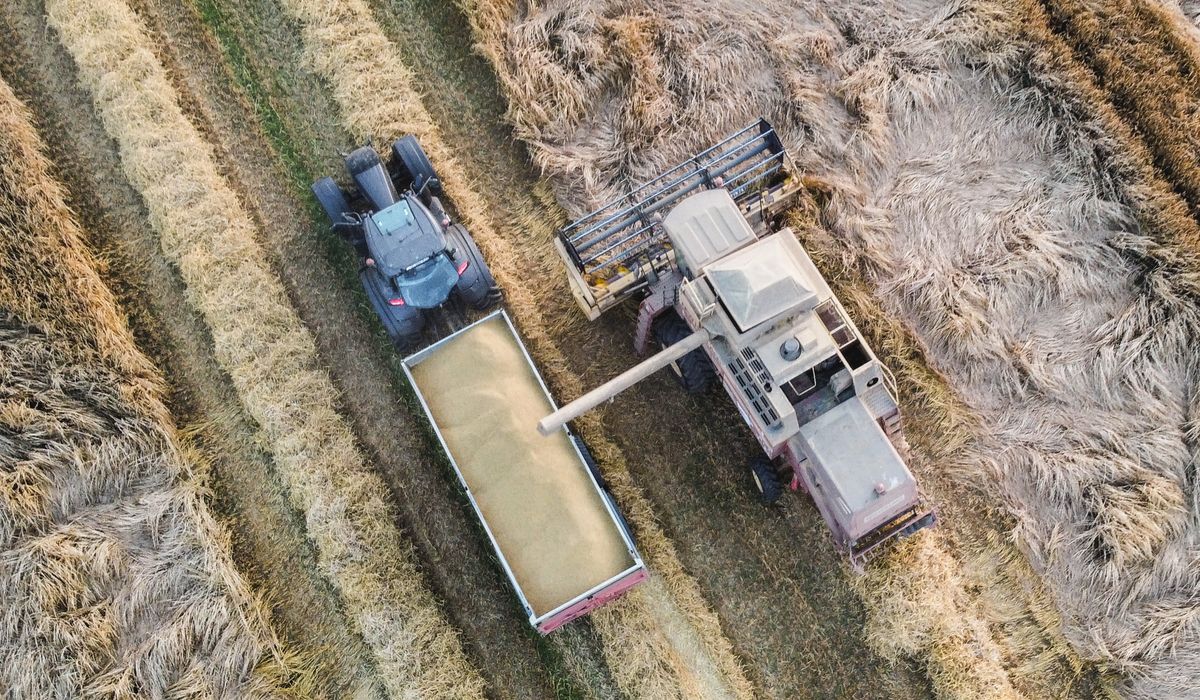
Why a rough edge beats a tidy one
Walk the headland of a wheat field in late May and the crop itself is almost silent — a dense, uniform sea of green that shelters little more than aphids. The life is at the edge. Those strips of rough grass and native flowers between the crop and the hedge are the richest habitat on most arable farms, and they cost almost nothing to keep.
This matters beyond sentiment. British wheat heritage was built over centuries on farms where hedges, headlands and wild edges were part of the working system. Heritage wheats such as Red Lammas, Squareheads Master and April Bearded were grown on land that was never as tidy as a modern field, and the wildlife alongside them helped keep the balance: insectivores working the aphids, owls and kestrels working the voles, bumblebees working the clover in the leys. When you buy British stoneground wholemeal, you are buying into that landscape — margin included.
What you might see, and when
A well-managed margin is not just a strip of long grass. Variety is what brings the numbers, and the season dictates what turns up.
- Spring and early summer — bumblebees, solitary bees and hoverflies on red clover, knapweed and birds-foot trefoil; orange-tip and green-veined white butterflies along the hedge line.
- Late spring — yellowhammer singing its "little bit of bread and no cheese" from the hedge; whitethroat, linnet and, on lighter soils, grey partridge and corn bunting.
- High summer — skylark over the crop, meadow brown and ringlet in the tussocks, marbled white on knapweed, and the first harvest mouse nests woven into tall grass stems.
- Autumn and winter — seed heads standing for finches and buntings, field vole runs through the base of the tussocks, and barn owls and kestrels quartering the margin at dusk. Brown hares and the occasional stoat use the same edges as corridors.
None of this requires rare plants or expensive seed mixes. It requires grass left to grow tall, flowers left to set seed, and a little restraint with the sprayer.
Laying out a margin that works
Aim for a strip of at least two metres, and six metres where you can spare it. On a square twenty-hectare field, a six-metre margin around all four sides takes a little over one hectare — roughly five per cent of the cropped area. In exchange you get a buffer against spray drift, a beetle bank effect along the whole field, and a corridor that connects one hedge to the next.
Aim for three layers: tussocky grasses such as cocksfoot, timothy and Yorkshire fog at the base; native flowers — ox-eye daisy, common knapweed, yarrow, field scabious, wild carrot and red clover — in the middle; and a rough, uncut corner beside the hedge where nothing is cut for two or three years at a time.
Practical points worth holding to:
- Keep fertiliser and muck out of the margin entirely. Nutrients turn a flower-rich strip into a bed of nettles and cleavers within two seasons.
- Leave the outer two or three metres of crop unsprayed where you can — a conservation headland gives insects somewhere to retreat as the crop is managed.
- Never flail the whole margin in one pass. Cut half, on a two to three-year rotation, and always remove the arisings so the sward does not smother.
- Cut in late summer, after fledging and after the flowers have set seed, and leave the cut material in a heap for a week so anything caught in it can escape.
Managing grass and flowers through the year
The single biggest mistake is treating a margin like a lawn. Mown short, it is bare ground with a green fringe and supports almost nothing.
- March to July — leave it alone. This is nesting, foraging and flowering time.
- August to September — the main cut window. Take off the half that is due this year, grazing the cut close where livestock allow, and leave the rest standing for winter seed and cover.
- October to February — no cutting. This is when the tussocks earn their keep, sheltering small mammals and the predators that depend on them.
- Every few years — scarify or lightly disturb a patch to reset the sward and let flowers regenerate. Bare ground is valuable in its own right for solitary bees and basking insects.
Field margins do harbour slugs and voles, and it is fair to say so. But the same rough grass supports the beetles, shrews and raptors that keep those populations in check, and the trade is usually worth making.
The wheat behind the wall
Heritage wheat and wildlife belong to the same story. Older varieties were taller and thinner-stemmed, ripening later and standing longer, which gave insects and birds a longer window in the crop itself. Even in a modern field, choosing a UK-grown stoneground flour — ideally from a mill that names the farm or the region — keeps money in the kind of mixed farming that has room for margins.
If you bake at home, ask questions of your supplier. Which variety is this? Where was it grown? Was anything left at the edge? Those questions, asked often enough, shape what gets planted.
Watching, recording, and baking
You do not need much kit: a pair of 8x42 binoculars, a notebook and a pencil will do. Walk the same margin once a week from April to September and write down what you see and hear, with a date and a rough time. Ten minutes is enough, and after a season you will have a record that is genuinely useful — not just to you, but potentially to your local records centre.
Watch the seed heads in September, listen for the yellowhammer, look for the flattened runs of voles at the base of the tussocks. Then go home, weigh out your flour, and bake a loaf from wheat that grew with a rough edge beside it. That, more than anything, is what British wheat heritage tastes like.





John Doe
14 January, 2022Having no content in post should have adverse..
Chauffina Carr
10 April, 2022We use these tests all time! Killer stuff!
Jim Séchen
16 July, 2022Thanks for all the comments, everyone!