

The Living Heritage of British Wheat
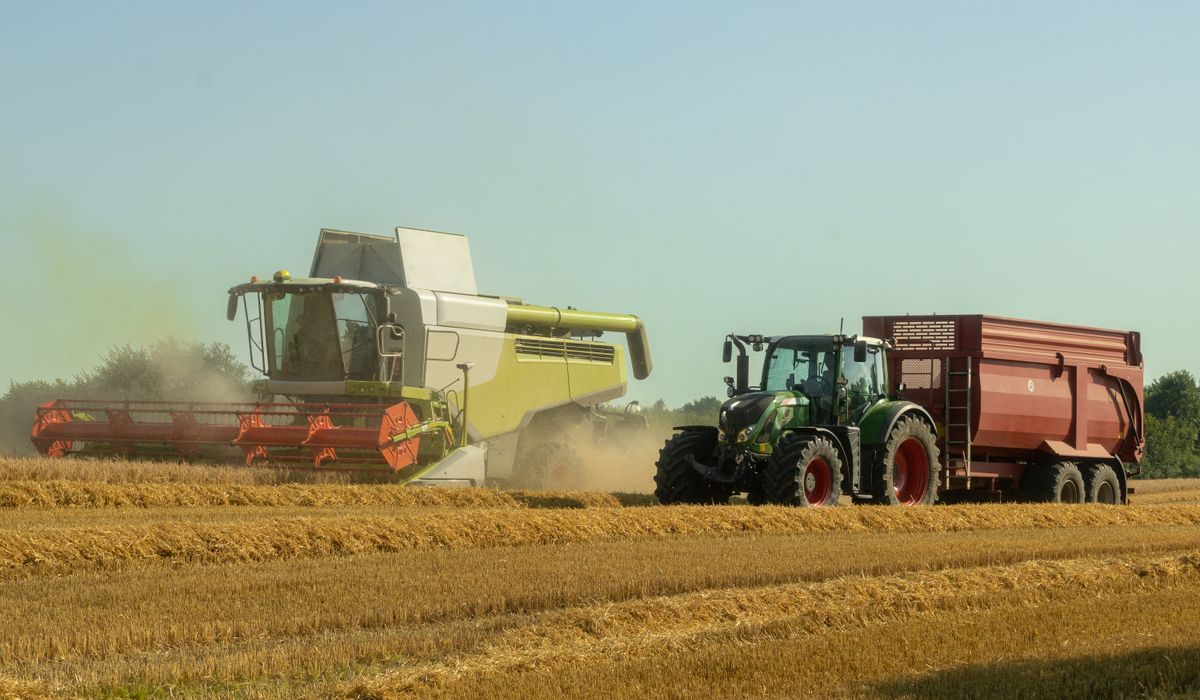
Britain has a long, quiet history of growing wheat that tastes of something. Before modern plant breeding chased yield above all else, varieties like Maris Widgeon, Squareheads Master, and Little Joss were grown in fields that received little more than muck and rotation. Their flour was not always strong, but it was full of character: nutty, grassy, sometimes faintly sweet. Today, small independent mills and heritage grain projects are bringing these wheats back, and home bakers are rediscovering why they matter. The secret to getting the most from them is not a fancy mixer or a complicated formula. It is time. A pre-ferment — a portion of flour, water, and a whisper of yeast left to ferment before the main mix — coaxes out depth, improves keeping quality, and makes wholemeal and heritage doughs far more workable.
Poolish, Biga, and Sponge: Three Routes to Flavour
All pre-ferments do the same job, but they differ in hydration and character. A poolish is wet — usually equal weights of flour and water — with a tiny amount of yeast. It ferments for 12 to 16 hours at cool room temperature, becoming bubbly and fragrant, almost like a thin batter. A biga is stiff, around 50 to 60 per cent hydration, and often used for Italian-style breads, though it suits British wheats beautifully. It ferments longer and develops a more pronounced lactic tang. A sponge is the old British farmhouse method: a soft mixture, sometimes with milk, left overnight near the range. Each one pre-digests starch and gluten, producing acids and aromatic compounds that a straight dough cannot match.
- Poolish: 100% hydration, 0.1–0.2% yeast, 12–16 hours. Best for light, open crumb.
- Biga: 50–60% hydration, 0.2–0.5% yeast, 16–24 hours. Best for sturdy, flavourful loaves.
- Sponge: 60–100% hydration, often with a pinch of sugar or milk, 8–12 hours. Best for soft, keeping bread.
Why Wholemeal and Heritage Flours Benefit Most
Wholemeal flour includes the bran, and bran is sharp. Those tiny flakes cut through gluten strands, making dough stiff and reluctant to stretch. A pre-ferment gives the bran time to hydrate fully, softening its edges. Meanwhile, enzymes naturally present in the flour break down some of the starch into sugars and gently weaken the gluten matrix, so the final dough becomes more extensible. Heritage wheats often have lower gluten strength than modern bread flours, which means they can tear easily during shaping. A pre-ferment acts as a kind of insurance: it builds elasticity without requiring heavy kneading. The result is a loaf with better oven spring, a more open crumb, and a crust that stays crisp for days rather than hours.
Sustainable Grain, Better Bread
Heritage wheats are usually grown in low-input systems. They are taller and leafier, competing with weeds without herbicides, and their deeper roots help soil structure. Many are sown in rotation with clover or beans, which fix nitrogen naturally. This kind of farming builds organic matter and supports biodiversity. When you bake with these flours, you are part of that chain. You are also learning to work with grain that varies from harvest to harvest — a little stronger here, a little thirstier there. A pre-ferment helps you adapt. It gives you a buffer, so a flour that seems weak or tricky on Monday can become a beautiful loaf by Tuesday. The flavour is worth the effort: earthy, complex, and deeply satisfying.
A Simple Weekend Schedule
Here is a practical rhythm for a 700g loaf using 40% wholemeal heritage flour. On Friday evening, make a poolish: 150g wholemeal flour, 150g water at 20°C, and 1g fresh yeast (or a scant pinch of dried). Stir, cover, and leave at cool room temperature for 14 hours. On Saturday morning, it should be domed, bubbly, and smell like ripe pear. For the main dough, add 350g white heritage flour, 200g water, 10g salt, and the poolish. Mix until shaggy, rest 30 minutes, then fold every 45 minutes for three rounds. Shape, prove for 1 to 2 hours, and bake in a hot oven with steam. The pre-ferment will have done most of the flavour work while you slept.
Trust Your Senses, Not Just the Clock
Timings are a guide, not a rule. In summer, a poolish may peak in 8 hours; in winter, it might need 18. Learn to read the signs: a ready pre-ferment is bubbly, smells pleasantly sour or fruity, and collapses slightly if you tap the bowl. If a clear liquid appears on top, it has gone too far — still usable, but more acidic. Use less yeast in warm kitchens and more in cold ones. Keep notes on flour type, hydration, and temperature. Over time, you will develop an instinct for what your local British wheat needs. That instinct, passed down through generations of home bakers, is the real heritage — and it is yours to keep.





John Doe
14 January, 2022Having no content in post should have adverse..
Chauffina Carr
10 April, 2022We use these tests all time! Killer stuff!
Jim Séchen
16 July, 2022Thanks for all the comments, everyone!