

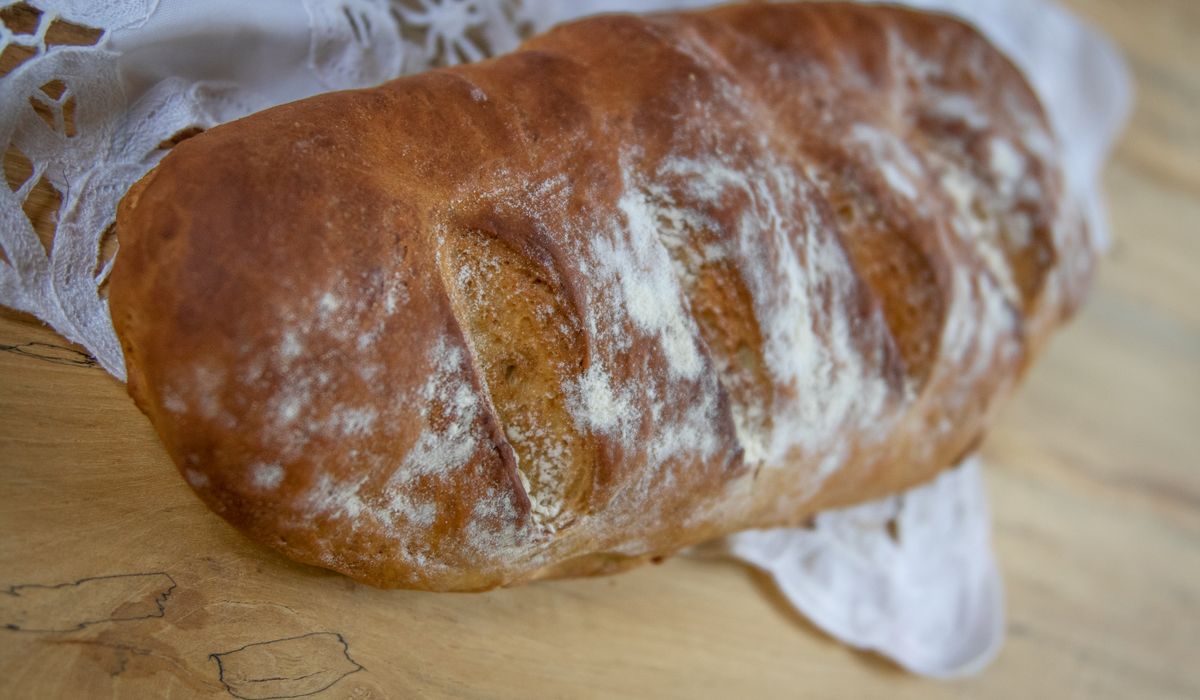
Reading the Signs of the Season
The British wheat harvest rarely arrives on one fixed date. It sweeps north and west like a slow tide, guided by variety, soil, and the mood of the weather. In the south and east, winter wheat often turns from green to gold in early August; in Scotland and upland fields, the combine may not roll until late August or even September. The first honest sign is the ear itself. Once the grain has moved from milky dough to hard, the straw begins to dry and the heads nod under their own weight. Rub a few grains between your palms: they should feel plump and leave a floury dust, not a smear of moisture. A faint rustle in the breeze, a dry snap when you bend a stalk, and the sudden appearance of rooks and pheasants in the field all say the same thing — the crop is ready, or very nearly so.
Weather Risks and the Grower’s Watch
From late July onwards, the harvest forecast becomes a daily ritual. A single wet spell at the wrong moment can turn a promising crop into a costly problem, so growers watch the sky as closely as they watch the grain.
- Rain at ripening: Wet weather after the grain has filled can trigger sprouting in the ear, which lowers Hagberg falling number and makes flour sticky and poor for bread.
- Wind and lodging: Strong gusts can flatten tall heritage wheats, especially on fertile soils, making them harder to combine and more prone to mould.
- Heat and drought: A hot, dry finish can shrink grain and cut yield, though it often helps harvest run smoothly.
- Damp mornings: Heavy dew can delay combining until midday. Patience is safer than pushing a damp crop through the drum.
- Storage risk: Grain going into the barn too warm or too moist can heat, mould, or attract mites within days.
A good grower walks the field daily in the final fortnight, checking ears, stems, and the forecast with equal care. The combine is only the last step; the real work is knowing when to start and when to stop.
Grain Moisture: The Baker’s Hidden Threshold
Moisture content is the quiet arithmetic of harvest. A simple moisture meter, a handful of grain, and a little experience will tell you more than any calendar. For safe storage and reliable milling, wheat is usually dried down to around 14–15% moisture. Above that, the risks multiply: heating, mould, and a flour that behaves unpredictably in the dough.
- Below 15%: Safe for storage and milling, provided the grain is cool and clean.
- 15–16%: Usually needs a gentle pass through a grain drier or a spell of moving air before storage.
- 16–18%: Too damp for safe storage; drying is essential, and the grain should be checked daily.
- Above 18%: Urgent drying is needed, as heating and spoilage can begin within hours.
For home bakers, moisture matters because it affects how flour behaves. Grain that is too damp can clog a mill and produce flour that cakes in the bag. Grain that is too dry can shatter into fine particles during milling, giving a less forgiving dough. The sweet spot is narrow, but it is worth seeking.
Heritage Wheats and the Home Baker’s Larder
Britain’s wheat heritage is not a museum piece. Old varieties such as Red Lammas, Squareheads Master, and Maris Widgeon were once grown for their tall straw, sturdy ears, and distinctive flavour. Many are lower-yielding than modern wheats, but they bring depth, aroma, and a connection to place that ambitious home bakers treasure. Stoneground wholemeal from heritage grain can be nutty, sweet, and full of character, especially when fermented slowly.
If you are lucky enough to know a local grower, ask about the variety and the harvest date. Freshly harvested grain should rest for a few weeks before milling; this short maturation lets the gluten settle and the flour perform better in bread. Store whole grains in a cool, dry place, and mill only what you need. The difference between a bag of anonymous flour and a jar of named, local wheat is often the difference between baking as a chore and baking as a conversation with the landscape.
Sustainable Growing for Future Harvests
Sustainable grain growing is not a single method but a set of habits that protect soil, wildlife, and next year’s crop. Many growers now use cover crops, reduced tillage, and diverse rotations to keep the ground covered and alive. Field margins and hedgerows provide shelter for insects and birds, while clover and beans fix nitrogen naturally. Heritage wheats can play a part too, especially in low-input systems where their tall stems and open ears tolerate weeds and disease without heavy chemical support.
- Rotate wheat with legumes, oats, or temporary grass to break pest and disease cycles.
- Keep living roots in the soil for as much of the year as possible.
- Test grain moisture and soil health regularly, rather than relying on habit.
- Save seed from healthy, well-adapted plants where legal and practical.
- Support local milling and baking networks so the value stays in the region.
These choices may look small in a single field, but across a landscape they add up to a harvest that is more resilient, more flavourful, and more kindly to the soil.
From Field to Flour: A Practical Harvest Checklist
- Check the grain: Hard, plump, and floury when rubbed; no green tinge or soft dough.
- Test moisture: Aim for 14–15% for storage; dry cautiously if above 16%.
- Watch the forecast: Avoid combining when rain is imminent or dew is heavy.
- Clean the store: Remove old grain, dust, and damp patches before the new crop arrives.
- Cool and aerate: Keep grain cool and dry; check for heating or pests weekly.
- Rest before milling: Let freshly harvested grain settle for a few weeks for better baking.
- Record everything: Variety, field, date, moisture, and weather will guide next year’s choices.
The British wheat harvest is a moving feast of weather, patience, and skill. Whether you grow a few rows for home milling or simply buy a bag of local heritage flour, you are part of a long chain that begins in the soil and ends at the table. Pay attention to the signs, respect the moisture, and the harvest will reward you with flour worth baking with.






John Doe
14 January, 2022Having no content in post should have adverse..
Chauffina Carr
10 April, 2022We use these tests all time! Killer stuff!
Jim Séchen
16 July, 2022Thanks for all the comments, everyone!