

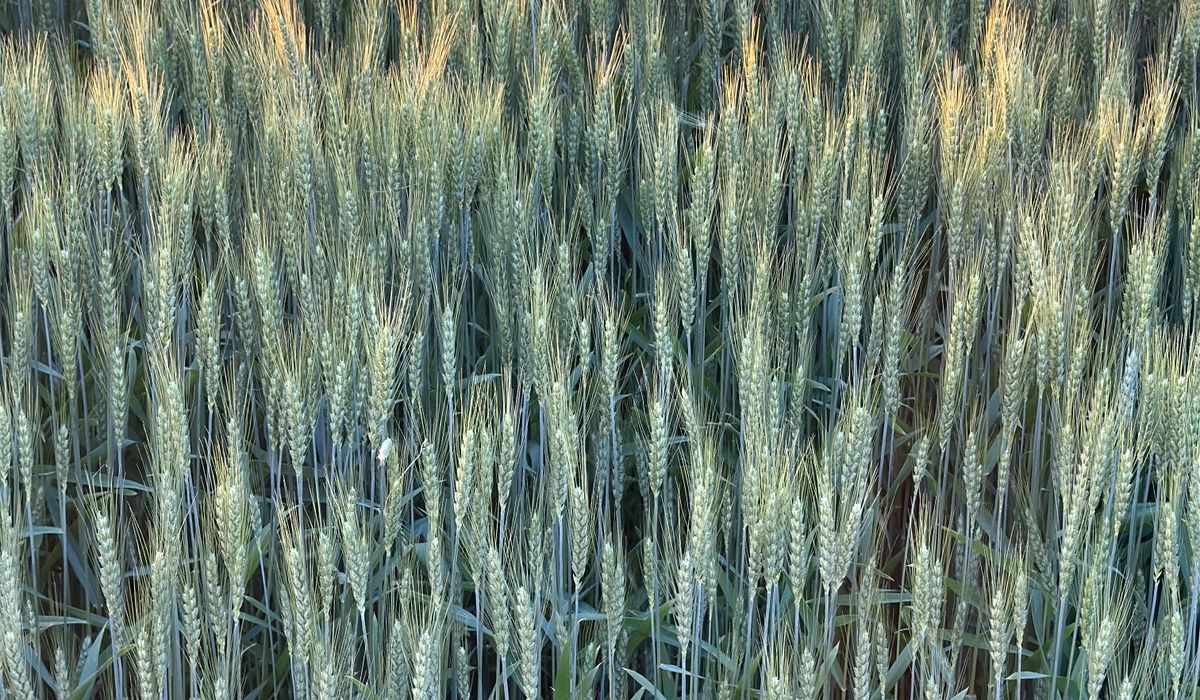
Why Small Wheat Holdings Are Different
If you are growing wheat on half an acre or twenty, you have something most large arable farms have lost: the freedom to walk the field every week and notice what is actually happening under your feet. A big combinable-crop operation cannot easily fuss over one damp corner or a patch of thin chalk. You can. Scale brings its own pressures, mind — narrow gates, small implements, no contractor keen to drive an hour for three acres — but it also means you can treat soil as a living thing rather than a growing medium.
Heritage wheats such as Squareheads Master, Red Lammas, Rivet and Maris Widgeon were selected in a Britain of mixed holdings, working horses and straw that mattered. They tend to be taller, deeper-rooted and more forgiving of modest fertility than modern short-strawed types. That makes them a natural fit for the kind of soil-building approach described here, where the aim is steady improvement rather than maximum output.
Cover Crops: Keep Something Growing
The single most useful habit on a small wheat holding is to avoid bare ground over winter. Rain on exposed soil washes nutrients away, bakes the surface and drowns the structure you spent years creating. Drill a cover as soon as the combine leaves the field — early September is ideal in most of lowland Britain, and every week you delay costs you growth.
Simple, cheap mixes work beautifully:
- Mustard or phacelia for quick cover that frosts off by Christmas, leaving a mulch you can drill through.
- Fodder radish for a deep taproot that opens channels through compacted layers.
- Vetch, clover or winter beans to fix nitrogen and carry it through to a spring wheat crop.
- Winter rye or oats where you want roots holding soil on sloping ground until spring.
Terminate covers by rolling, crimping or a frost, or graze them lightly with sheep in dry conditions. Do not let them run to seed, and do not let a heavy crop of rye go into a dry spring — it will drink the soil dry before your wheat has a chance.
Till Less, Disturb Less
Every pass with a plough or rotavator breaks the fungal threads, worm burrows and crumbs that give soil its tilth. On a small holding, moving to shallow non-inversion tillage is realistic because you are rarely chasing vast acreages in a narrow weather window. Work to around five to eight centimetres with a tine or disc, and leave the deeper structure alone.
The rules of thumb are straightforward. Stay off wet soil — if it clags on your boot, it will smear. Keep machinery weight down and tyre pressures low. Roll after drilling in a dry seedbed to conserve moisture and deter slugs. Expect more slug pressure in the first few years of reduced cultivation, and monitor with traps rather than reaching for pellets by reflex. Within three or four seasons you should be finding worm holes and old root channels through the profile, which is exactly what you want: free drainage that costs nothing.
Feed the Soil with What You Already Grow
Organic matter is the engine of everything else. Most arable soils in England sit somewhere between one and a half and three per cent organic matter, and nudging that upward by even a tenth of a per cent a year is a genuine result.
- Chop and spread straw rather than baling everything off. Tall heritage varieties give you plenty to return.
- Apply well-rotted farmyard manure at roughly ten to fifteen tonnes per hectare every few years, targeting the poorest patches first.
- Use green manures — a vetch and rye mix ploughed in as a mulch feeds the following wheat for months.
- Make compost from hedge cuttings, muck and crop residues, and spread it thin and wide rather than in heaps.
Fresh woodchip dug straight in will rob nitrogen as it breaks down, so compost it first or use it on paths instead.
Heritage Wheats and Soil Health Go Hand in Hand
Old varieties and old-fashioned soil care suit one another. Taller wheats shade out weeds, their deeper roots scavenge nutrients lower down, and their straw is worth having — for thatching, bedding or simply returning to the land. Yield will be lower than a modern feed wheat, often by a third, but inputs fall too: less fertiliser, fewer fungicides, and seed you can save and sow again.
Aim for wheat no more than one year in three or four in the rotation, ideally after a legume. Spring-sown wheat following a nitrogen-fixing cover is excellent for cleaning up grass weeds and letting the soil breathe.
Reading the Signs Through the Year
Dig a spadeful in autumn, spring and midsummer. Count earthworms — a healthy arable soil should give you eight to ten per spadeful. Look for crumb structure, dark colour and that faint woodland smell. Drop a clod into a jar of water: if it holds together for an hour, your structure is sound; if it explodes into cloudy soup, you have work to do.
Keep notes, however rough. Small holdings improve fastest when the person making the decisions is also the person watching the soil.






John Doe
14 January, 2022Having no content in post should have adverse..
Chauffina Carr
10 April, 2022We use these tests all time! Killer stuff!
Jim Séchen
16 July, 2022Thanks for all the comments, everyone!